




Introduction
Sustainability is no longer a trend—it’s a necessity.
From architects to homeowners, everyone is asking:
Are laminates eco-friendly? Can they be recycled?
While laminates are widely used for their durability and design, their environmental impact depends on how they are made, used, and disposed of.
In this guide, we break down what truly makes a laminate sustainable or recyclable, so you can make informed, responsible choices.
What Does “Sustainable Laminate” Mean?
What Does “Sustainable Laminate” Mean?
- Uses responsibly sourced raw materials
- Has low environmental impact during production
- Lasts longer (reducing replacement waste)
- Minimizes harmful emissions
Sustainability is not just about recycling—it’s about the entire lifecycle of the product.
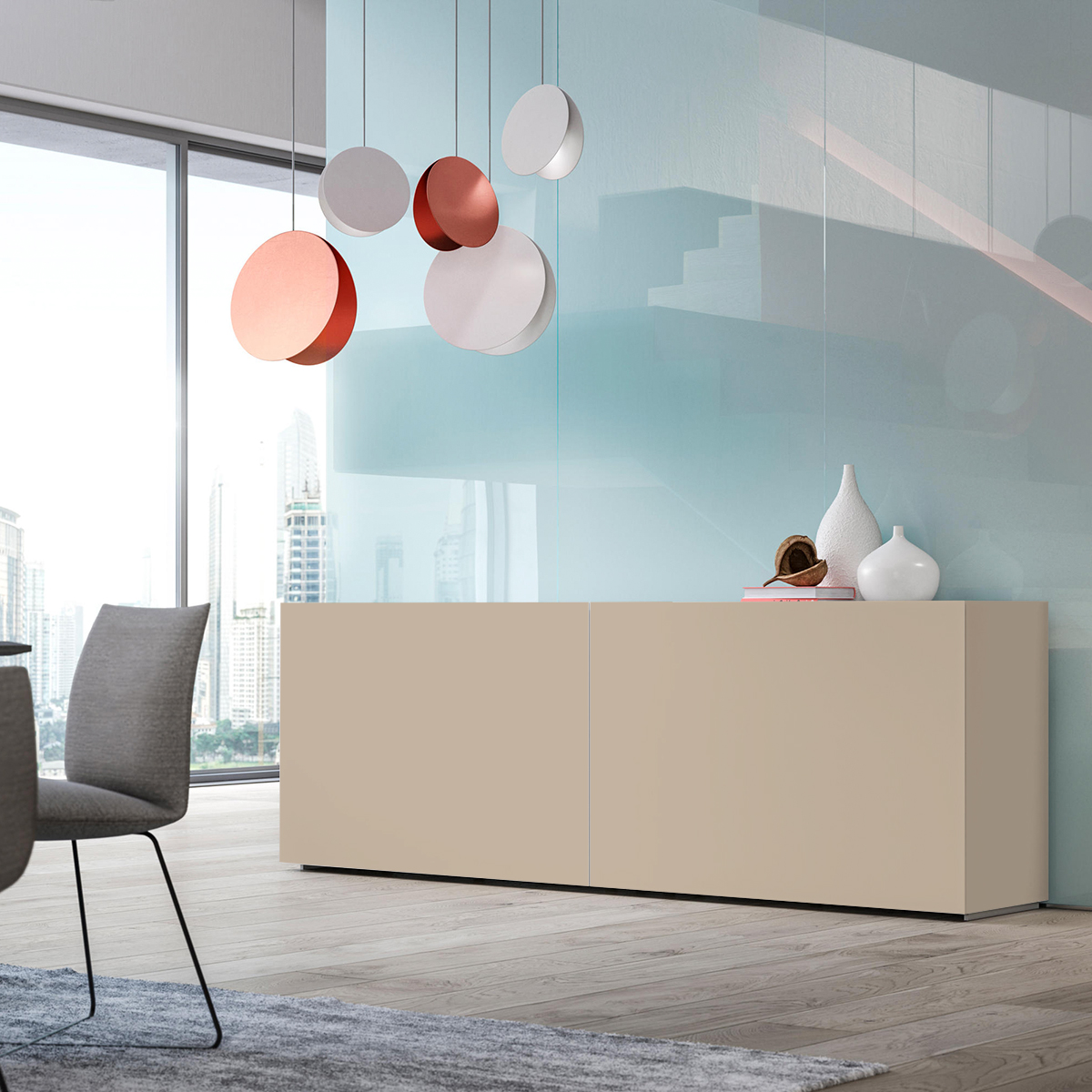
Key Factors That Make Laminates Sustainable
1. Responsible Raw Materials
High-quality laminates often use:
- FSC-certified paper (from responsibly managed forests)
- Recycled kraft paper
- Sustainable wood pulp sources
This reduces deforestation and supports responsible sourcing.
2. Low Emission Resins
Traditional laminates use resins like phenolic and melamine.
Sustainable laminates use:
- Low formaldehyde or E0/E1 grade resins
- Reduced VOC (Volatile Organic Compounds)
This improves indoor air quality and reduces health risks.
3. Energy-Efficient Manufacturing
Modern laminate manufacturers focus on:
- Reduced energy consumption
- Waste heat recovery
- Water recycling systems
This lowers the overall carbon footprint.
Are Laminates Recyclable?
This is where things get interesting
❌ Fully Recyclable?
No—laminates are not fully recyclable in the traditional sense.
Why?
Because they are made of compressed layers bonded with resins, which are difficult to separate.
✔ Partially Recyclable / Recoverable
However:
- Some laminates can be downcycled
- Can be used in energy recovery (industrial processes)
- Manufacturing waste can be reused
So while not fully recyclable, they can still be environmentally managed
Why Durability = Sustainability
One of the most overlooked factors:
The longer a product lasts, the more sustainable it is
Laminates are:
✔ Scratch-resistant
✔ Long-lasting
✔ Low maintenance
This reduces the need for frequent replacement, saving resources over time.
Certifications to Look For
Certifications to Look For
- FSC Certification (responsible sourcing)
- GREENGUARD (low emissions)
- ISO environmental standards
- E0 / E1 emission grades
These certifications indicate better environmental performance.
Sustainable Use in Interior Design
Sustainable Use in Interior Design
- Modular furniture (less waste production)
- Long-life interiors
- Low-maintenance surfaces
- Efficient material usage
They support modern sustainable architecture
Common Misconceptions
❌ “Laminates are not eco-friendly at all”
✔ Reality: Many modern laminates are designed to be sustainable
❌ “Only natural materials are sustainable”
✔ Reality: Engineered materials can be more efficient and durable
❌ “Recyclable = Sustainable”
✔ Reality: Longevity and low impact matter more
Final Verdict
So, what makes a laminate sustainable?
It’s a combination of:
✔ Responsible sourcing
✔ Low emissions
✔ Efficient manufacturing
✔ Long-lasting performance
And while laminates are not fully recyclable, they can still be a responsible and practical choice when chosen wisely.
Conclusion
Sustainability in laminates is about balance—between performance, durability, and environmental impact.
By choosing certified, high-quality laminates and using them correctly, you can create interiors that are both beautiful and responsible.